




Healthy Dog Treats | The Ultimate Guide for Pet Owners
Healthy dog treats have become an essential part of modern pet care, evolving far beyond the simple snacks they once were. As the pet wellness industry continues to grow, owners are increasingly conscious of the ingredients, nutritional benefits, and health implications behind every treat they give their dogs. Whether used for training, behavioural conditioning, dental health, enrichment, or simply as acts of affection, dog treats directly influence a dog’s weight, digestion, energy levels, oral hygiene, and overall wellbeing.
In Australia, consumer interest in natural dog treats, healthy dog treats, low fat dog treats, and Australian-made pet products has surged significantly. Pet owners are more aware than ever that poor-quality treats can contribute to chronic conditions such as pancreatitis, dental disease, obesity, allergies, and gastrointestinal discomfort. Meanwhile, well-chosen treats can enhance nutrition, support good behaviour, help maintain ideal body weight, and reinforce the bond between pet and owner. This comprehensive guide provides a detailed analysis of how to choose the best dog treats in Australia, covering ingredient selection, safety considerations, breed-specific factors, life stage requirements, and evidence-based insights into canine nutrition.
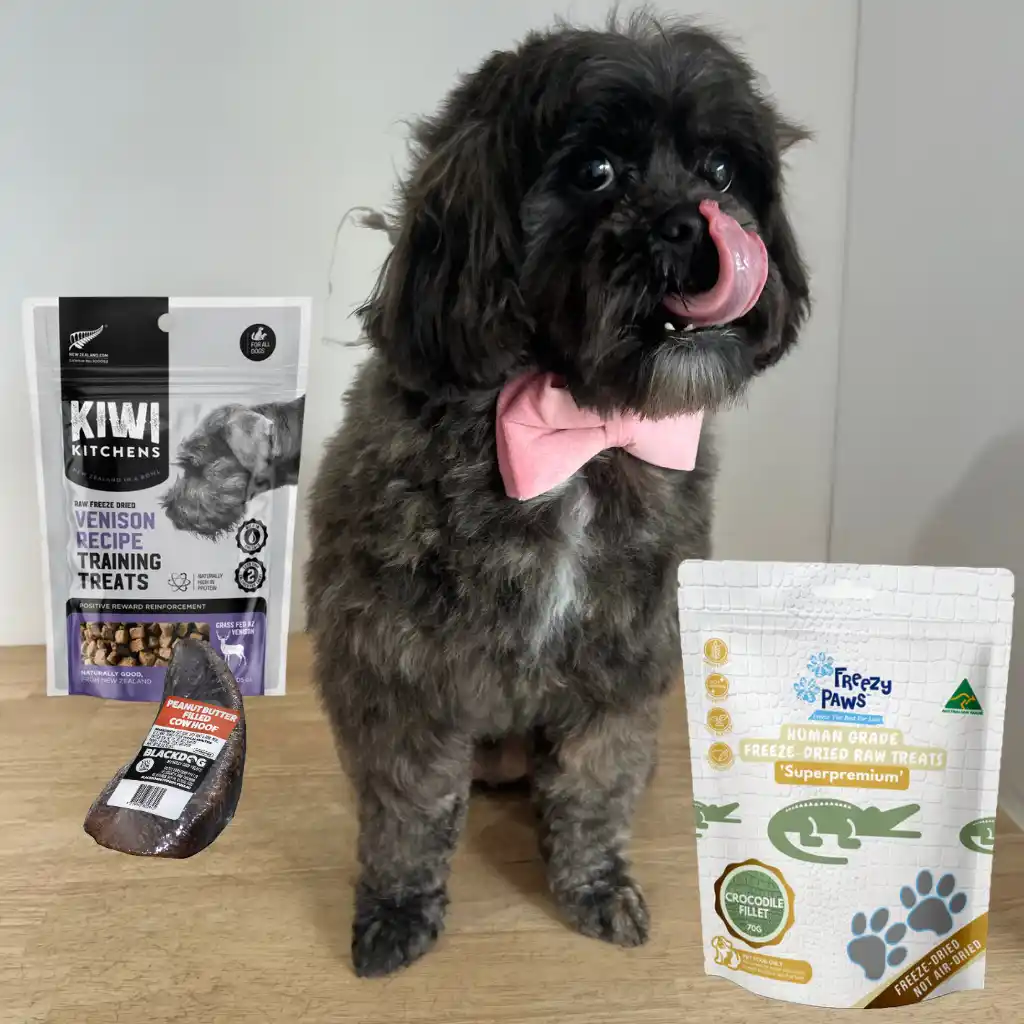
Huey
Distinguished Treat Expert
Why Healthy Dog Treats Matter More Than Ever
The growing awareness of canine health issues underscores the importance of high-quality treats. According to the Association for Pet Obesity Prevention, more than 59% of dogs are now overweight or obese. Treats often contribute significantly to this issue, especially when owners unknowingly exceed daily calorie limits. Many commercial treats are deceptively high in fat, sugar, or carbohydrates, and dogs with smaller body frames can exceed their caloric needs with just a few inappropriate snacks.
Healthy treats, by contrast, serve critical roles. They reinforce desired behaviours during training sessions, helping shape stable and predictable routines. They strengthen the emotional connection between dogs and their owners by creating a reward-based communication system understood by both parties. They support dental hygiene through mechanical abrasion or specific textures designed to reduce plaque. They provide protein or nutrient top-ups that complement a dog’s primary diet. They also keep dogs mentally stimulated, particularly when used in enrichment toys or slow-feeder puzzles.
Treats given without nutritional consideration can lead to numerous issues. Over-processed biscuits containing low-grade proteins and artificial additives may cause behavioural hyperactivity, chronic itching, ear infections, and inflammatory digestive problems. Similarly, treats coated in sugar, glycerine, or rendered fats may contribute to weight gain and metabolic disease. Healthy dog treats matter because they allow owners to maintain the joy of rewarding their dogs while ensuring long-term wellbeing.
Understanding the Nutritional Foundations of Healthy Dog Treats
To select genuinely healthy treats, owners must understand the nutritional principles behind them. While treats are supplementary, not primary food sources, the quality of their ingredients and processing methods determine whether they positively or negatively impact your dog’s health.
High-Quality Protein as the Foundation
Protein is the core nutrient in most natural dog treats. It supports muscle repair, immune function, recovery from exercise, skin health, coat condition, and hormonal balance. The healthiest treats use clean, lean, clearly identified protein sources such as beef liver, kangaroo, chicken breast, venison, or fish. In Australia, kangaroo meat is especially valued due to its low-fat profile, natural omega content, and hypoallergenic benefits. This makes kangaroo jerky and air-dried kangaroo strips among the most recommended healthy dog treats for sensitive stomachs and weight-conscious dogs.
Lower-quality treats often contain vague protein descriptors like “meat meal”, “animal digest”, or “poultry by-products”. These vague terms can mask the use of mixed proteins, rendered carcasses, or inconsistent sourcing. Dogs with allergies or sensitive stomachs may react poorly to these ambiguous ingredients. Choosing treats with single-source, clearly labelled proteins supports dietary transparency and reduces risk.
Healthy Fat Levels and the Role of Omega Fatty Acids
Dogs require dietary fat for energy, vitamin absorption, skin hydration, and cognitive function. However, excessive fat—particularly from processed or low-grade meat sources—can contribute to obesity and pancreatitis. Healthy dog treats maintain controlled fat levels and avoid rendered fats, stabilising agents, and excessive oil coatings.
Fish treats, such as dehydrated fish skins, contribute beneficial omega-3 fatty acids that support joint health, heart function, and coat condition. Kangaroo treats naturally contain less than 5% fat, making them ideal low fat dog treats for dogs with pancreatitis, weight concerns, or chronic digestive sensitivity.
Digestible Carbohydrates and Fibre
Carbohydrates are often misunderstood in canine nutrition. While dogs do not require high levels of carbohydrates, they benefit from fibre-rich, nutrient-dense plant ingredients such as pumpkin, sweet potato, carrot, apple, and oats. These carbohydrates support digestion, regulate blood sugar, and provide natural antioxidants.
However, many commercial treats use inexpensive carbohydrate fillers such as wheat flour, rice bran, or corn starch. These fillers add calories without meaningful nutrients and may trigger allergies in susceptible dogs. Natural dog treats avoid these fillers entirely or minimise them in favour of whole-food ingredients.

The Value of Minimal Processing
Processing significantly impacts treat quality. Air-dried, freeze-dried, and gently dehydrated treats retain more nutrients than heavily baked, extruded, or pelletised options. Minimal processing preserves protein structure, vitamins, minerals, and natural flavours. It also reduces reliance on artificial binders, preservatives, and colourings.
Ultra-processed treats often rely on glycerine or sugar for moisture retention, resulting in soft, sticky textures that promote plaque and tartar. Natural, minimally processed dog treats offer superior nutrient preservation and fewer chemical additives.
Regulations and Standards for Dog Treats in Australia
Australian dog treats must comply with standards set by organisations such as the Pet Food Industry Association of Australia (PFIAA) and manufacturing guidelines such as HACCP or SQF. Although treats do not need to meet AAFCO “complete and balanced” requirements like dog food, reputable brands follow labelling, safety, and ingredient sourcing rules to protect animals and consumers.
Owners should look for:
Australian-made labels
Clear ingredient lists
HACCP certification
Human-grade food claims where applicable
Transparent sourcing statements
Natural, Australian-made treats from suppliers such as BLACKDOG distinguish themselves through compliance with these standards and responsible ingredient selection.
How to Read Dog Treat Labels Like a Professional
One of the most important skills for choosing healthy dog treats is understanding how to interpret packaging information. Many pet owners assume that terms like “premium”, “natural”, or “artisan” guarantee quality, but these labels have limited legal meaning. Genuine quality can only be determined through careful examination of ingredient lists, nutritional analyses, processing methods, and origin statements.
Ingredient Order and Transparency
Ingredients are listed by weight before processing. If the first ingredient is a high-quality whole food, such as kangaroo, chicken, beef liver, or salmon, the treat likely contains robust nutritional value. If the first ingredient is wheat, corn, rice, or potato starch, the treat may be carbohydrate-heavy with low protein density.
Crude Nutritional Analysis
Owners should evaluate:
Protein percentage (higher is generally better)
Fat percentage (lower for weight-sensitive dogs)
Fibre content (beneficial for digestion)
Moisture content (relevant for texture and shelf life)
Additives and Preservatives
Avoid artificial colours, sweeteners, nitrates, BHA, BHT, and ethoxyquin. Natural preservatives include tocopherols, rosemary extract, and citric acid.
The Best Healthy Dog Treat Categories in Australia
An in-depth overview of the healthiest and most popular treat categories available to Australian pet owners.
1. Single-Ingredient Natural Dog Treats
Single-ingredient dog treats offer unmatched simplicity and purity. They contain no fillers, artificial additives, mixed proteins, or preservatives. Popular examples include kangaroo jerky, beef liver, fish skins, chicken breast strips, and lamb lung.
These treats are ideal for dogs with allergies, sensitive digestion, or owners seeking natural dog treats with maximum nutritional transparency. Australian-made single-ingredient treats provide consistent quality and clean ingredients.
2. Low Fat Dog Treats
Low fat dog treats are essential for dogs with pancreatitis, overweight conditions, low-activity levels, or sensitive digestion. Lean proteins such as kangaroo, white fish, and chicken breast form the basis of high-quality low-fat treats.
Kangaroo treats, in particular, often contain less than 5% fat, aligning with veterinary recommendations for low-fat diets. Australian-made low-fat treats from Chuffed support healthy weight regulation.
3. Natural Dental Chews
Natural dental chews like those available at Chuffed reduce plaque, strengthen jaw muscles, and offer long-lasting enrichment. Options include dehydrated tendons, fish skins, beef trachea, and kangaroo bones. Unlike processed dental sticks, natural chews contain no chemical binders or artificial flavours.
Dental disease affects up to 80% of adult dogs, making dental chews a critical component of preventative care.

4. High-Value Training Treats
Training dog treats must be small, soft, and highly palatable. Dogs learn most efficiently with quick, repetitive reinforcement, so lower-calorie treats are ideal to prevent overfeeding.
Training treat blends from Chuffed offer a balance between flavour and health, supporting both puppy training and advanced obedience work.
5. Treats for Sensitive Stomachs
Dogs with intolerances or allergies require treats absent of common irritants such as chicken, wheat, soy, and dairy. Novel proteins like kangaroo or venison, as well as single-ingredient plant treats like dehydrated sweet potato, are excellent choices.
Choosing Treats for Different Life Stages
Puppies
Puppies benefit from soft, easily digestible treats that support training and teething. Treats should be small enough to avoid choking and gentle on developing digestive systems.

Adults
Adult dogs can enjoy a broad range of natural dog treats and dental chews. Owners should match treat types to activity level, body condition, and breed.

Seniors
Senior dogs often require softer textures and low-fat options due to dental sensitivity and slower metabolism.

Breed-Specific Considerations
Breed size, activity level, and genetic predisposition influence treat selection. Large breeds benefit from long-lasting chews, while toy breeds require smaller, bite-sized pieces. Working breeds often require high-protein treats, while brachycephalic dogs may need softer textures due to airway restrictions.
Research-Backed Risks of Poor-Quality Treats
Many health issues in dogs can be directly linked to treat quality:
High-fat treats can trigger pancreatitis.
Carbohydrate-heavy treats can cause weight gain.
Artificial ingredients may cause behavioural and dermatological reactions.
Sticky, soft treats increase dental plaque.
Choosing minimally processed, whole-food treats significantly reduces these risks.
A Buyer’s Guide to Selecting the Best Dog Treats
Owners should consider:
Ingredient simplicity
Sourcing transparency
Processing methods
Fat levels
Suitability for breed and life stage
Brand reputation
Whether the product is Australian-made
This ensures dogs receive treats that complement their diet and lifestyle.
Safe Treat Feeding Guidelines
Treats should make up no more than 10% of a dog’s daily caloric intake. Overfeeding leads to weight gain even when treats are “healthy”. Owners should monitor body condition, exercise levels, and digestive responses.

Homemade Healthy Dog Treat Recipes
Simple homemade treats include:
Pumpkin and oat biscuits
Dehydrated sweet potato strips
Frozen yoghurt and blueberry bites
These complement store-bought natural treats without replacing professional nutritional formulations.
Why Australian Pet Owners Trust Chuffed.com.au
Chuffed.com.au offers high-quality natural dog treats made with Australian ingredients and ethical production practices. Their range includes single-ingredient treats, low-fat options, dental chews, and training treats crafted to support long-term health. Pet owners prioritising transparency, nutrition, and reliability can explore the full range at Chuffed.
Final Thoughts
Healthy dog treats enrich a dog’s life while supporting nutrition, training, dental health, and behavioural wellbeing. Natural dog treats, low-fat options, and minimally processed Australian-made treats are among the best choices for owners wanting high-quality rewards that align with long-term health goals. By choosing reputable suppliers such as Chuffed, reading labels carefully, and understanding canine nutritional needs, owners can ensure every treat contributes positively to their dog’s health and happiness.
What are the healthiest dog treats?
The healthiest dog treats are those made from single, whole-food ingredients with no fillers, additives or artificial preservatives. Popular examples include kangaroo jerky, beef liver, chicken breast strips and dehydrated fish skins. These treats are naturally rich in protein, low in unnecessary carbohydrates, and easy for most dogs to digest.
Australian-made single-ingredient treats are generally considered the gold standard for purity and quality. You can explore a range of natural options at Chuffed.
For additional guidance on evaluating treat ingredients, the RSPCA provides helpful information on reading pet food labels:
https://www.rspca.org.au/tips/choosing-pet-food
How many treats should a dog have daily?
Most veterinarians recommend that treats make up no more than 10% of your dog’s daily caloric intake. This ensures that treats complement rather than disrupt a balanced diet.
For example, a small dog may only require 30–50 calories in treats per day, while a large dog may tolerate 100–150 calories, depending on age, activity level and metabolism.
It’s especially important to monitor intake during training sessions, when treats are given more frequently. Using low-fat or low-calorie training treats such as those available at Chuffed can help keep your dog within a healthy limit.
For a calorie calculator, see the Pet Nutrition Alliance:
https://petnutritionalliance.org
Are natural dog treats better?
Natural dog treats—those made without artificial colours, preservatives, added sugars or highly processed fillers—are often easier for dogs to digest and less likely to cause allergic reactions or gastrointestinal irritation. They also tend to offer higher nutritional value, especially when minimally processed.
Many natural treats rely on air-drying, freeze-drying or dehydration, which preserves nutrients more effectively than extrusion or baking. Australian-made freeze and air dried treats from Chuffed are an excellent choice for owners seeking clean, transparent ingredient profiles.
For veterinary guidance on natural vs processed treats, visit:
https://www.vetspecialists.com
Are dental chews necessary for dogs?
Dental chews are highly beneficial and can reduce plaque and tartar buildup when used regularly. Research from the Veterinary Oral Health Council (VOHC) shows that certain chew types can reduce plaque accumulation by up to 25% or more.
Natural dental chews such as dehydrated tendons, fish skins and kangaroo bones offer a safe, additive-free alternative to many commercial dental sticks. You can browse natural dental options at Chuffed.
VOHC-approved research can be found at: https://vohc.org
Which treats are best for dogs with sensitive stomachs?
Dogs with sensitive stomachs often do best with treats that have limited ingredients and use novel proteins such as kangaroo, venison or salmon. Single-ingredient plant-based treats like dehydrated sweet potato can also be gentle on digestion.
Avoid treats containing wheat, corn, dairy, soy, artificial preservatives or mixed meat sources.
Gentle-on-the-gut treats such as single ingredient treats are available at Chuffed.
General digestive health information can be found at: https://www.vetsource.com
The information provided on this website is for general informational purposes only and is not intended to replace professional advice, diagnosis, or treatment. It should not be relied upon as veterinary, dietary, or medical advice for any animal. Every dog is different, and individual needs can vary widely.
We strongly recommend consulting a qualified veterinarian before making decisions about your dog’s diet, treats, health, or care routines.